Lister Fellow Tomás Ryan publishes major review on memory engrams and theory of forgetting
13 January 2022 / Lister Institute Fellows

13 January 2022 / Lister Institute Fellows
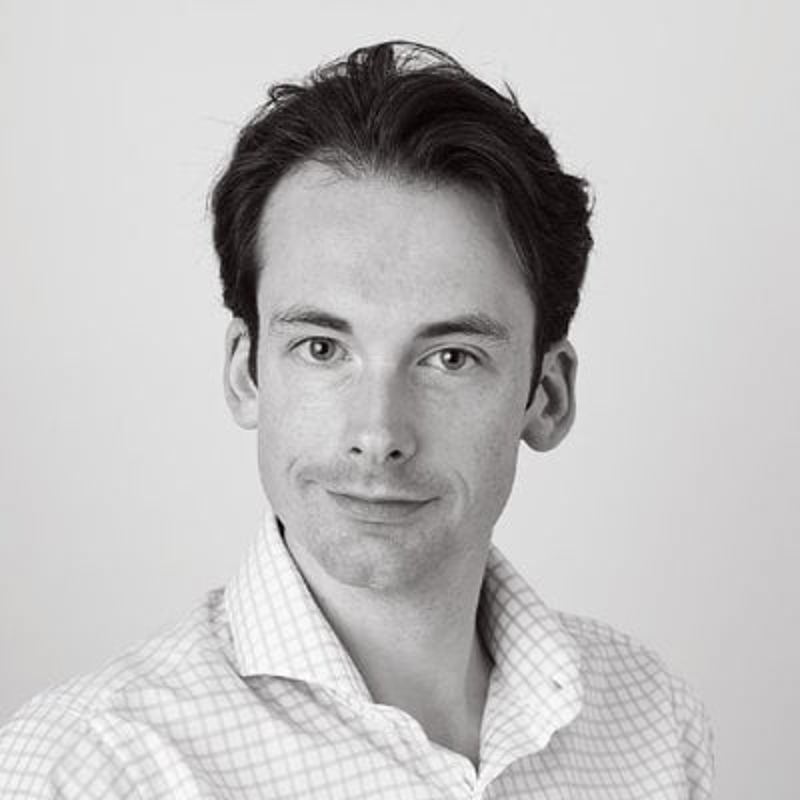
Current Lister Fellow Tomás Ryan has published a Perspectives piece in Nature Reviews Neuroscience: “Forgetting as a form of adaptive engram cell plasticity.”
Tomás and his co-author, Dr Paul Frankland of the University of Toronto, address the hypothesis that memories are stored in groups of neurons, otherwise known as “engrams”. It may be that forgetting – or the loss of memories – occurs when engrams switch from being accessible to being inaccessible and cannot be reactivated.
Tomás and his co-author, Dr Paul Frankland of the University of Toronto, address the hypothesis that memories are stored in groups of neurons, otherwise known as “engrams”. It may be that forgetting – or the loss of memories – occurs when engrams switch from being accessible to being inaccessible and cannot be reactivated.
They suggest that in diseases associated with memory loss, natural forgetting mechanisms may become faulty, leading to a loss of accessibility to engrams and subsequent memory loss.
The Perspective looks in detail at the different theories of how humans forget. It also reviews the techniques that can be used to explore these possibilities, including how the ability to observe and manipulate memory engrams provides the opportunity to study the effect of forgetting on these cells and to consider it as a reversible process.

Tomás is currently Principal Investigator at the Trinity College Institute of Neuroscience in Dublin, which also shared the news. We awarded Tomás the Lister Prize in 2020, making him the first scientist in an Irish institution to secure a Fellowship.
Tomás is using the Prize fund to further his research into memory engrams and amnesia. In particular, his lab explores the neurobiological background of infantile amnesia – the phenomenon in which we lose all our early memories. His work aims to examine if and how lost childhood memories can be rediscovered in adulthood.
You can read more about the Ryan Lab’s research on their website.


